Generic Cooking Game Energy and Bills
Recover kilojoules, cut electricity with solar, and keep rent from resetting the diner to day 0.
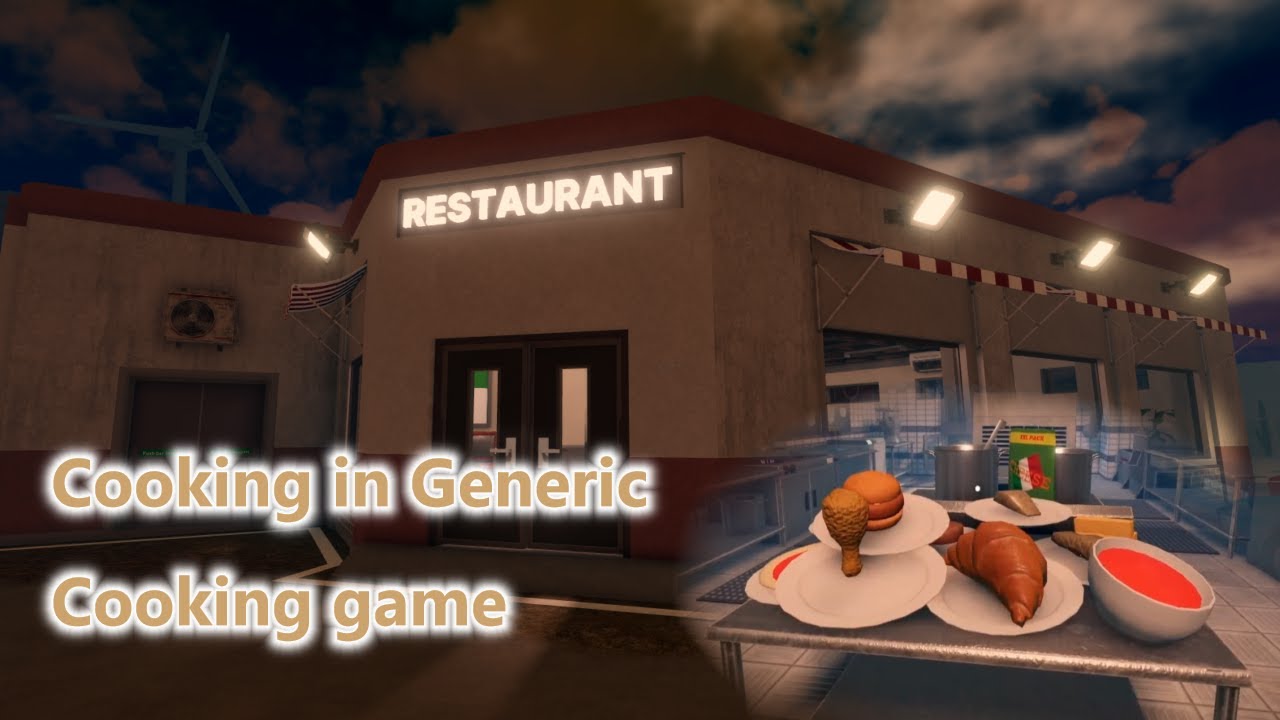
Generic Cooking Game is a released Roblox diner from Hexbit Studios (13 April 2023, still BETA) with eight-player online co-op and free Solo. Two meters decide whether you keep cooking. Personal energy is measured in kilojoules (kJ) and slows your walk as it drops. Restaurant bills are rent plus electricity. When bills exceed the bank, the diner closes and the run resets toward day 0. Neither meter is optional on a public shift.
Learn the kitchen first in Getting Started and controls. Restock still matters because empty baskets cannot feed the bank: see factory restock. Ranked rooms punish slow walks on hard tickets in ranked servers. Creative mode is the exception: energy never depletes and customers never arrive. Spend stars later at the Star Shop; climb hats through rank rewards. Pass value for Eat Food, Instant Delivery, and Manager is on the gamepass tier list. Patch notes for compounding bills and private saves are on the changelog.
Energy in kilojoules
The kJ readout sits bottom-left with your drain rate. Base max energy is 14,000 kJ and base drain is 20 kJ per second while you are not resting. Walk speed scales with the bar. At full energy you cross the dining room in a normal sprint. Near empty you shuffle between stove and pass like you are carrying wet dough. That is fatal when a claimed customer is already waiting and you still need the fridge.
Player upgrades in the office buy Max Energy (up to 17,000 kJ), slower Energy Depletion (down toward 14 kJ/s), and faster Couch Replenishment. Those upgrades are permanent on your chef, not on the diner. Dish Washing Speed and Customer Patience sit on the same board and matter once you can actually walk. Do not dump early cash into hats if you cannot reach the coffee machine.
How to recover energy
Sit on the office couch. Base couch restore is 600 kJ per second and upgrades climb toward 1,700 kJ/s. That is the reliable refill. Coffee is the rush option: grab a mug, park it on the coffee machine, fill, then drink. Coffee does not refill the whole bar, so use it between tickets, not as your only rest. A standing fan from Hobo Joe outside the restaurant is the third tool. Joe’s shop sits by the lot. The fan was buffed from 5 seconds to 15 seconds of effect and the price dropped from $1,900 to $900. Stand in the airflow when you cannot leave the line.
Eat Food costs 49 Robux (it used to be 39). Eat a plated or bowled dish for about 500 kJ. It is a mid-shift top-up, not a replacement for the couch. Lifetime 1.5x Speed (119 Robux) stacks with a healthy bar and makes low energy less painful, but it does not stop drain. Instant Delivery (59 Robux) saves the desert truck when you are already exhausted; that loop is on factory restock. There are no live codes as of September 2026, so you cannot redeem free kJ. Check how to redeem only if a future patch actually ships a code.
Rent, electricity, and bankruptcy
Inside the restaurant a chart shows bills, bank, and net. Rent is a daily charge (about $25 per in-game day in older notes) plus electricity on top. One in-game day is about 15 real minutes on a 24-hour clock. Night hits at 20:00 and day returns at 08:00. Serve food to feed the bank. Clean floors, windows, and solar panels for extra cash. Wash dirty plates at the sink for money and XP. None of that is flavor text: the bank has to stay above bills.
A recent patch makes bills increase at a compounding 6% per day survived. Early days are cheap. A long streak gets expensive even if you are cooking well. If bills pass the bank, the restaurant closes and the run resets toward day 0. Personal cash and hats are not the same pool as the diner bank, but a dead diner still ends the shift. Ranked and Normal both use this clock. Creative ignores customers and energy; it will not teach you the bill chart.
Solar panels
Buy solar from the office menu near the lockers. Each panel costs $20 and you can own up to nine. More panels cut raw power consumption and lower electricity. Two upgrades sit on each panel: Efficiency raises power output, Resistance slows dirt. Dirty panels make less power. Walk to the fenced array to the right of the restaurant, take a cleaning cloth, and swipe. Each swipe pays $0.20 and restores output. Clean the empty supports too if they take dirt.
Treat solar as a bills tool, not a decoration. A nine-panel array with Efficiency and Resistance upgraded is the difference between a week-long streak and a mid-week bankruptcy after the 6% compound starts to bite. Private servers (49 Robux) currently save bills state, commissions, solar upgrades, and store day plus time in Normal mode, so a private diner can keep that array. Public rooms lose the streak when the bank fails.
Cleaning, roles, and long streaks
Mop floors and wipe windows for cash and rating. Spills are less important than dirty glass. The sink turns dirty plates into money and rank XP; dishwashing upgrades shorten each wash from 8 seconds toward 4. Assign a cleaner on the roles roster when the dining room is full. Customer count scales with player count, so eight chefs make more mess and more tickets than Solo.
Trolls dump stock, steal plates, and empty pots, which wastes both energy and ingredients. Vote kick and vote clean are UI actions now (chat commands still work). If the public room is hopeless, take the truck loop on factory restock, jump to ranked servers at rank 15, or drill plating in Creative mode where energy never drops. Match dishes to the recipe list so you are not burning kJ on the wrong method.
Keep the couch, the mug, and the cloth in your muscle memory. Walk speed is the kJ bar. Tomorrow’s diner is the bank versus bills chart. Sit before you shuffle, swipe the panels before night, and do not let compounding rent surprise a kitchen that still thinks day 0 prices apply.
Frequently Asked Questions
Quick answers chefs actually search for.
How do I refill energy in Generic Cooking Game?
Sit on the office couch for the main refill, drink coffee from a mug on the coffee machine for a partial boost, stand at Hobo Joe's fan outside, or buy Eat Food (49 Robux) to eat plated food for about 500 kJ.
What happens when bills exceed the bank?
The restaurant closes and the run resets toward day 0. Bills are rent plus electricity. A recent patch raises the bill rate by a compounding 6% per day survived.
How do solar panels reduce electricity?
Buy up to nine panels for $20 each from the office menu near the lockers. Efficiency upgrades raise power. Resistance slows dirt. Clean panels with a cloth for $0.20 per swipe to restore output.
Does energy drain in Creative or Solo?
Creative servers never drain energy and have no customers. Solo is a Normal diner with one player, so kJ still drops and bills still accrue. Ranked uses the same energy rules as public Normal.
Are player energy upgrades worth buying?
Yes if you play long sessions. Max Energy, Energy Depletion, and Couch Replenishment are permanent chef upgrades. Buy them before cosmetic crates if you are still shuffling across the kitchen.
Do private servers save bills and solar upgrades?
Yes, in Normal mode private servers currently save bills, commissions, solar panel upgrades, and store day plus time. They cost 49 Robux.