Generic Cooking Game Roles and customers
How eight chefs split a diner, and what tables actually order.
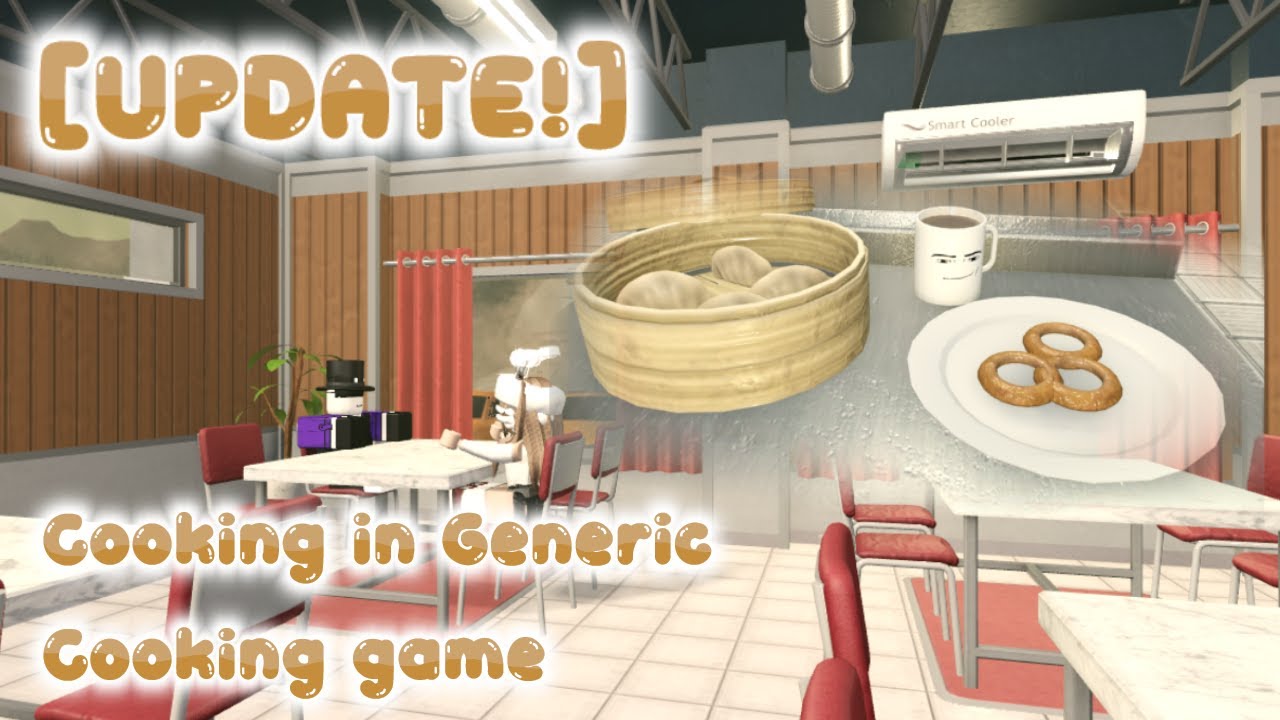
Generic Cooking Game is online co-op on Roblox, not a silent single-player kitchen. Public servers hold up to eight players. Free Solo servers exist when you want the same diner without strangers. The work still splits into jobs even if the game never prints a class select screen: someone cooks, someone drives the factory truck, someone keeps plates and floors usable, and someone takes orders and walks food to tables. This hub is the roster side of the wiki. Use kitchen roles to assign jobs. Use diner customers to understand tickets, ratings, stars, ranking points, and cash.
The social problem that ruins more shifts than a burned steak is trolling. People dump ingredients, steal pans, grab chefs, or serve garbage on purpose. Ranked queues and friends/private servers cut that down. The dedicated trolling and vote kick page covers the UI, Grab Players, and when to leave. Hats and crates are cosmetics only — see hats and crates. Grab Players is a 299 R$ troll and anti-troll tool, not cooking power; the gamepass ranking treats it that way. If you are new, finish the tutorial, then read Getting Started and controls before you try to host a full lobby.
The five jobs that actually exist
Cook lives in the kitchen: pans, fryer, oven, rice cooker, steamer, and plating. Cooks should live on the recipe tier list until muscle memory exists. Runner owns the office laptop and the truck: order crates, drive to the factory, dump them on the garage conveyor. The factory restock guide is that job’s bible. Dishwasher is not optional on a busy eight-player diner. Dirty plates and filthy floors slow every other role. Host / server claims customer orders, calls the ticket to the line, and walks the finished plate to the table. Manager only exists if someone owns the Manager pass: open and close hours, set a menu of at least six items, wear the apron, and (on later patches) customize walls.
Two people can cover all five jobs if they talk. Eight people still fail if everyone wants to be the cook. The roles page has a 2-player versus 8-player split so you do not invent a sixth job that the diner does not need.
Customers are the other half of the roster
Customers are not named mascots on Normal servers. They walk in, order a specific dish, eat, and rate the plate. Stars, ranking points, and cash come from that loop. Volume scales with player count: a packed eight-chef diner gets more tables than a Solo run. That is why a Solo chef should cook S-tier tickets from the recipe ranking, while a full lobby can attempt A-tier burgers if a host is calling orders. Rordon Temu is a Creative-mode critic, not a Normal customer. Do not wait for him on a public diner; take him to Creative mode when you want a verdict on a plated experiment.
Ratings punish burned food, wrong methods on Ranked, and slow service. They also punish a host who claims a C-tier tart while the pantry is empty. Keep the session checklist nearby so the host and cook agree on what is actually on the board.
Energy, bills, and why the roster collapses
A role chart is useless if everyone is crawling. Energy drops over time and walking speed drops with it. Coffee, the office couch, and the Eat Food pass (500 kJ from plated food) keep cooks moving. Bills (rent plus power) now compound about 6% per day survived, so a diner that looks rich on day one can still bankrupt later. Pair this hub with energy and bills. Solar panels and a runner who restocks before key ingredients hit zero matter as much as a fancy plating pass.
If the lobby is toxic, leave. Ranked: Level 15 and Level 35 exist for a reason. Votekick has a UI (chat commands still work). Private servers can save a slice of state (bills, commissions, solar, day and time). None of that replaces a spoken job split. Call cook, runner, dishes, and host in the first minute, then cook.
For patch changes that add recipes or tweak customers, use the Updates Hub and the changelog. For people to queue with, use community links. Promo codes are rare and should not be part of your roster plan.
Frequently Asked Questions
Quick answers chefs actually search for.
How many players can share a diner?
Public servers cap at eight. Free Solo servers exist for a quiet kitchen. Jobs still exist in Solo; you just wear every hat yourself.
What is the first role a new player should take?
Cook easy S-tier tickets, or host if someone else already cooks. Read kitchen roles and Getting Started before you take the truck.
Is Rordon Temu a normal customer?
No. He is a Creative-mode critic. Normal tables are unnamed guests who order specific dishes. Details are on diner customers.
Why does trolling matter more than recipes?
A dumped pantry or a stolen pan ends the shift for everyone. Ranked, Solo, and friends servers are the practical fix; Grab Players is not a cooking upgrade.
Does customer volume change with party size?
Yes. More players bring more tables. That is why Solo lives on S-tier tickets and an eight-player lobby can attempt slower A-tier food.