Generic Cooking Game Which tickets to cook
S-tier public food first, C-tier tarts later, event plates only when the crates exist.
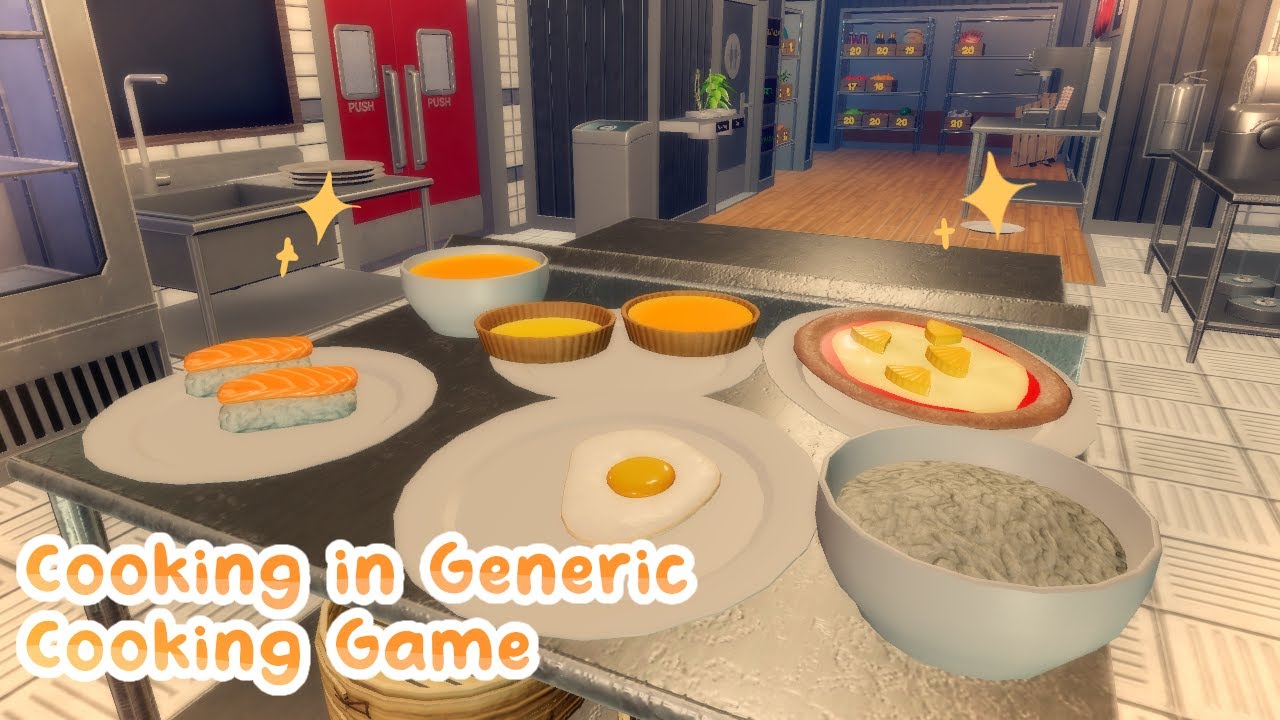
This list ranks Generic Cooking Game recipes for a public or Solo diner, not for a Creative photoshoot. The question is simple: how likely is a new chef to finish the ticket before the customer leaves, the food burns, or the pantry dies? Station count, burn risk, mastery grind, and ranked method enforcement decide the row. Full steps live on the recipe list. Use this page to choose the board, then cook. If you are spending Robux instead of picking food, switch to the gamepass tier list.
The ranking is opinionated and grounded in how the kitchen actually plays. Coffee is not “better food” than butter chicken. Coffee is a better ticket for a noisy eight-player lobby. A Solo chef who has already mastered the line can cook whatever they want. A public host who claims Hawaii pizza while chips are sitting in the fryer is the reason the diner goes broke.
S-tier: fast tickets, few stations
Coffee, Chips, Fried Egg, Steak, Tomato Soup, Lemonade.
These six are the public-server backbone. Coffee is a mug on the machine; it also feeds the energy bar, so it is both a ticket and a tool. Chips are potato, cutter, fryer, salt. Fried egg is a crack into a pan. Steak is a pan on the stove. Tomato soup is a blend-and-simmer bowl. Lemonade is a drink with a short station list. None of them ask you to mold a tart shell, hold a steamer, or juggle a deep fryer plus a sauce pot at the same time.
Why they stay S after you “know the game”: they restock from common crates, they teach mastery quickly because you can serve them often, and they survive trolls better than a five-step plate. A troll can still dump your potatoes. They cannot easily ruin a coffee that is already in the mug. On Ranked, still follow the real method. Enforcement means a skipped salt or a wrong cook state can fail even an S-tier ticket. New chefs should live here until the Getting Started habits stick.
A-tier: worth cooking when the line is staffed
Burger, Hot Dog, Pizza, Pancake, Rice Bowl, Grilled Cheese, Onion Rings.
A-tier food is what a diner looks like when it is actually a restaurant. Burgers need a bun (dough, oven, slice), a ground steak patty, and assembly. Hot dogs are kinder but still dough plus sausage. Pizza occupies the oven and the topping board. Pancakes occupy a pan and batter. Rice bowls need the rice cooker and toppings. Grilled cheese is bread and cheese on a pan or grill. Onion rings are a knife and the fryer.
They sit in A instead of S because each one adds a station or a wait. A burger is several failure points: raw patty, burned bun, missing cheese, stolen lettuce. They are the right upgrade when you have a cook plus a host calling orders, or when Solo has already cleared S-tier muscle memory. They are the wrong upgrade when the pantry is already missing dough or steak. Restock first using the factory restock loop, then put burgers on the board.
B-tier: real recipes, real downtime
BLT Sando, Dumplings, Ramen, Spaghetti, Waffles, Salmon Sushi, Macaroni Cheese.
B-tier is where Generic Cooking Game stops being “press E on a pan” and starts being a kitchen. BLT needs baked bread, bacon, lettuce, and tomato. Dumplings need sheets, filling, and a steamer with water. Ramen and spaghetti want broth or sauce plus noodles and a bowl that is not on fire. Waffles want the iron. Salmon sushi wants rice plus fish plus rolling discipline. Macaroni cheese wants pasta and a cheese sauce that can break if you wander.
Cook these when the lobby is calm, the runner is alive, and someone is washing plates. They are excellent mastery food if you want to stop being a chips-only chef. They are poor panic food. On Ranked, they are legal but expensive: every extra method is another way to fail the enforcement check. Keep them off a brand-new public menu.
C-tier: many steps, easy to burn
Tarts, Butter Chicken, Prawn Tempura, Spring Rolls, Cupcakes, Hawaii Pizza.
C-tier is how diners die with full shelves. Tarts (apple, strawberry, chocolate, egg, pumpkin, and friends) need molded dough, a filling, and oven timing. Butter chicken stacks sauce work. Prawn tempura and spring rolls live and die on fryer timing. Cupcakes want batter, bake, and icing. Hawaii pizza is pizza plus extra topping chaos, which is more inventory and more time than a plain pie for the same table slot.
These dishes are not “bad.” They are bad tickets when customers are stacking and three chefs are arguing over a pan. They also punish a missing crate harder: no apples means no apple tart, and you just spent two minutes molding a shell. Save them for a dedicated baker on a friends server, a Creative practice hour, or a Normal diner that is already printing money on S and A food.
D-tier and situational
Event and holiday cookies, critic Creative plates, anything that needs a rare restock.
Festive biscuits, Halloween cookies, and other seasonal plates are D until the event crates are actually in the pantry. A Creative plate built to impress Rordon Temu is not a Normal ticket; he is a critic in Creative, not a public customer. Dishes that need a rare restock belong here even if they are mechanically simple, because a runner cannot magic a crate that is not on the laptop. When the ingredient is back, re-rank the dish on the spot. The session checklist is the live version of that rule.
Recent recipes such as Beef Taco, Sausage Roll, Onigiri, Corndog, Chicken Burger, Carrot Cake, and Chocolate Cake should be placed by the same tests, not by novelty. If it is fast and common, it can join A or S after you cook it clean. If it is a cake with oven risk, it starts in C. Confirm the current method in the recipe list after a patch; ranked enforcement can move a dish down a row overnight.
Sample public ticket queue
If the lobby is new or troll-heavy, the host should call this order and ignore everything else: coffee, chips, fried egg, steak, lemonade, tomato soup. If a second cook exists and dough is in, add grilled cheese and hot dog. If the oven is free and nobody is dumping toppings, add pizza. Stop there. Do not “fill the menu” with tarts because the book has 60-plus recipes. Customer volume scales with player count, so an eight-chef diner can attempt more A-tier food, but only if roles are assigned and the runner is not AFK. That queue is the whole point of this page: fewer stations, fewer burns, more mastery, and a diner that still exists when the bills compound.
Frequently Asked Questions
Quick answers chefs actually search for.
Why is steak S-tier but burger only A-tier?
Steak is a pan. Burger is bun, oven, grinder, pan, and assembly. More stations means more burns, more trolls, and more Ranked method checks.
Should Ranked menus avoid S-tier because it is "too easy"?
No. Ranked still wants fast clean tickets. Enforcement punishes sloppy methods, not simple recipes. See ranked servers.
Where are the full cooking steps?
On the recipe list. This page only ranks tickets. Use the recipe checklist during a live shift.
Do I cook event cookies on a public diner?
Only when the holiday crates are in. Otherwise they are D-tier dead tickets that stall the line.
How does mastery change the list?
Serving a dish raises recipe mastery. S-tier spam is the fastest mastery, which is why new chefs should not start on tarts.
Is this list the same as the gamepass ranking?
No. Food is here. Robux is on the gamepass tier list. Buy Basket or Speed; do not buy a hat to fix a C-tier menu.