Generic Cooking Game Orders, ratings, and table flow
Unnamed guests on Normal, a critic in Creative, and why volume follows player count.
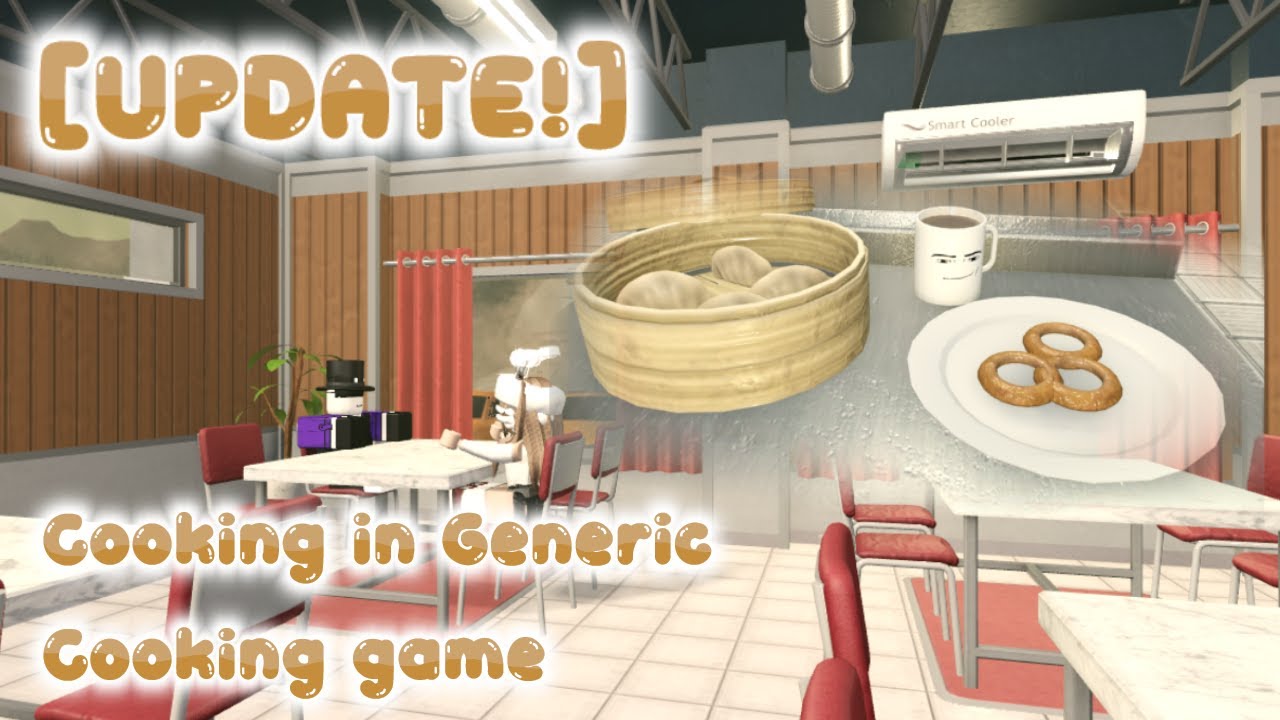
Customers are the other roster. Chefs can cook perfect chips in an empty room and still go bankrupt, because the diner only prints stars, ranking points, and cash when a guest orders a specific dish, eats it, and rates the plate. This page is about those guests. It is not a list of named NPC mascots. Hexbit did not fill Normal servers with a cast of recurring characters you can memorize. Tables walk in, they want a recipe that exists on the board, and they judge what you put down. The only named critic this wiki will talk about is Rordon Temu, and he is a Creative-mode judge, not a Normal customer.
If you need the job split that serves those tables, use kitchen roles. If you need to know which dishes those tables should be allowed to order, use the recipe tier list. If you are still learning the building, start at Getting Started.
What a Normal customer actually does
A Normal (or Solo, or Ranked) customer sits, orders a specific dish, waits, eats, and rates. The diner gets stars toward restaurant rating, the chef gets ranking points, and cash hits both pocket and the store bank depending on the ticket. Wrong food, burned food, and Ranked method fails all land as bad ratings. A 1-star plate is not “content.” It is a slower star meter, fewer points, and less cash while bills keep compounding.
Customers are not a puzzle with hidden names. Do not invent a regular called Joe or a secret VIP table and then teach the lobby to wait for them. The skill is matching the order that is already on the ticket. The host claims it, the cook makes it, the host walks it. That loop is the whole customer system on public diners.
Volume scales with player count
A Solo kitchen is a trickle. An eight-player public diner is a pipe. Customer volume scales with how many chefs are in the server, which is why a full lobby feels like a different game. More tables is not a reason to open the entire recipe book. More tables is a reason to lock the board to food you can finish. S-tier tickets from the recipe ranking exist for this exact problem: coffee, chips, fried egg, steak, tomato soup, lemonade still pay when the door is busy.
A host who claims six C-tier tarts because “we have eight people” is how those eight people watch food burn. Assign roles first. Then let volume rise. Ranked: Level 15 and Level 35 tend to see harder orders and fewer trolls; they also enforce cooking methods, so a customer who wants ramen is asking for the real method, not a soup-looking bowl.
Ratings, stars, and why the plate matters
The star meter on the diner is a restaurant rating, not a participation trophy. Clean tickets raise it. Garbage lowers it. Recipe mastery rises when you serve a dish often, which is another reason to repeat S-tier food instead of gambling on a one-off cake. Salt, sugar, colouring, and mayo can matter on dishes that call for them; they are not a reason to paint every plate. Ranked will reject a method skip even if the guest on Normal would have shrugged.
A 1-star plate costs more than the food. It costs the next customer’s patience, the star meter, and the cash you needed for crates and power. If trolls are serving trash on purpose, that is the social problem, not a customer-AI problem. Votekick has a UI. Solo exists. Private servers exist. Leaving is allowed.
Rordon Temu is not in the dining room
Rordon Temu is a fiery food critic in Creative. You plate a dish and take the verdict there. Creative has no Normal customer flow, no bills in the same way, and (in the mode’s design) a sandbox kitchen for experiments. He is the reason Creative plating passes like Japanese items and Fine Dining have a use. He is not a guest you wait for on a public lunch rush. If a video or a rumor treats him like a secret Normal table, ignore it. Details on the mode itself sit on Creative mode.
Do not build a Normal menu around critic flex plates. Those belong in D-tier / situational on the recipe ranking until you are actually in Creative.
What a 1-star plate actually costs the diner
Walk through a bad table. The host claims butter chicken. The pantry is missing half the sauce. The cook improvises. Ranked fails the method, or Normal rates it poorly. The table leaves. The star meter dips. Ranking points stall. Cash that should have paid the compounding 6% bill bump does not arrive. Meanwhile potatoes hit zero and nobody is running the factory restock. The next three customers would have been happy with chips. That is the customer system in one disaster: the guest only asked for a legal dish, and the diner answered with ego.
The recovery is boring and it works. Host calls S-tier. Cook uses the recipe list and the session checklist. Runner leaves when a key ingredient hits zero. Dishwasher keeps plates in play. Energy gets coffee or a couch, not a speech. If you want people who will hold that loop, use community links. If a patch changed ratings, recipes, or the critic, check the changelog instead of a rumor in chat.
Frequently Asked Questions
Quick answers chefs actually search for.
Are there named NPC customers on Normal servers?
Not as a roster you should memorize. Normal guests are unnamed tables with specific dish orders. The named critic is Rordon Temu in Creative only.
What do customers give you for a good plate?
Stars toward the diner rating, ranking points, and cash. Burned or wrong food cuts all three. Bills still climb either way.
Why are there more customers when the server is full?
Volume scales with player count. Eight chefs get more tables than Solo. That is a staffing problem, not a reason to add tarts. See kitchen roles.
Does Ranked change what customers order?
Ranked still uses real tickets, but cooking methods are enforced and higher-rank queues often see harder food. Read ranked servers.
Should I wait for Rordon Temu on a public diner?
No. Take Creative if you want his verdict. Public tables will not become him.
How do I stop trolls from wrecking ratings?
Votekick, Solo, Ranked, or a private server. Roles help your own team stop causing the same mess by accident.